
Bruxism and bite protection
Night Guards & Splints
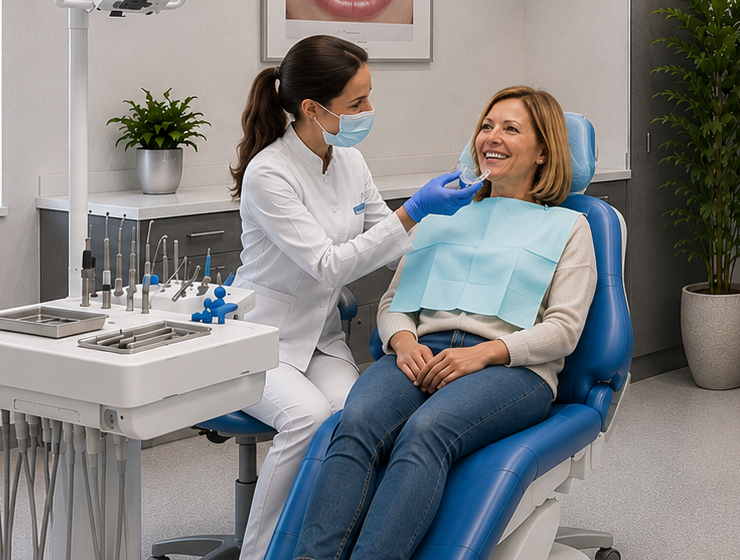
Night guards and occlusal splints are custom-made appliances used to protect teeth from grinding and clenching, reduce pressure on the bite, and support more comfortable jaw function during sleep.
- Custom-made night guards
- Bruxism and jaw strain assessment
- Protection for worn or cracked teeth
Why patients ask about splints
Grinding during sleep can damage teeth quietly, so protection matters early.
Protect teeth from wear
Night guards help reduce the grinding pressure transferred to the teeth while you sleep.
Ease jaw muscle strain
Splints can provide relief for overworked jaw muscles and support a more comfortable resting position.
Reduce risk of chips and cracks
Bruxism can contribute to broken, chipped, or fractured teeth over time if left unmanaged.
Support bite-related care
Splints are often part of broader bite and TMJ management where clenching and grinding are contributing factors.
Use a custom-fit appliance
A professionally made occlusal splint is shaped for your teeth and bite rather than relying on a generic fit.
What treatment involves
The first step is confirming whether grinding or clenching is driving the symptoms.
Night guard treatment begins with an assessment of tooth wear, jaw symptoms, and bite strain. If a splint is the right option, impressions and bite information are used to fabricate a custom appliance.
- 1
Step 1
Review your symptoms and habits
We ask about aching teeth, jaw soreness, morning discomfort, headaches, trouble chewing, and whether grinding noises have been noticed during sleep.
- 2
Step 2
Check for signs of bruxism
Your dentist looks for worn biting surfaces, cracks, chips, fractures, and strain through the jaw joints and muscles.
- 3
Step 3
Take impressions and bite records
If a splint is recommended, impressions are taken and your bite is recorded so the appliance can be made accurately.
- 4
Step 4
Fit the custom night guard
The splint is carefully adjusted so it fits the upper or lower teeth comfortably and works as intended overnight.
- 5
Step 5
Allow time to adapt and review
Most people need a short adjustment period, but many become comfortable within a few nights and return for review if needed.
What your appointment covers
Clear steps, without guesswork.
- Review your symptoms and habits
- Check for signs of bruxism
- Take impressions and bite records
- Fit the custom night guard
- Allow time to adapt and review
Every stage is planned around your comfort, clinical needs, and the next step that makes sense for your care.
Waking with sore teeth or jaws?
Book a consultation if you suspect night-time grinding or clenching is damaging your teeth.
An early review can help protect your enamel before the wear becomes harder to manage.
Signs to watch for
These symptoms commonly point to clenching, grinding, or bite-related strain.
Bruxism often happens during sleep, so the first clues are usually the effects it leaves behind on the teeth, muscles, and jaw joints.
Aching teeth or jaws in the morning
Pain on waking is one of the most common patterns seen with overnight clenching and grinding.
Tension headaches
Headaches or temple-region muscle tightness can be linked to heavy jaw muscle activity overnight.
Trouble chewing comfortably
Jaw fatigue and bite tenderness can make chewing feel less comfortable through the day.
Severely worn or flattened teeth
Grinding gradually wears away enamel, removes sharp biting surfaces, and flattens tooth edges.
Broken, chipped, or cracked teeth
Bruxism places repeated force on teeth and can contribute to chips, cracks, and fractures.
Jaw joint discomfort
Grinding and clenching can aggravate the jaw joints and may overlap with TMJ-related symptoms.
Night guard care
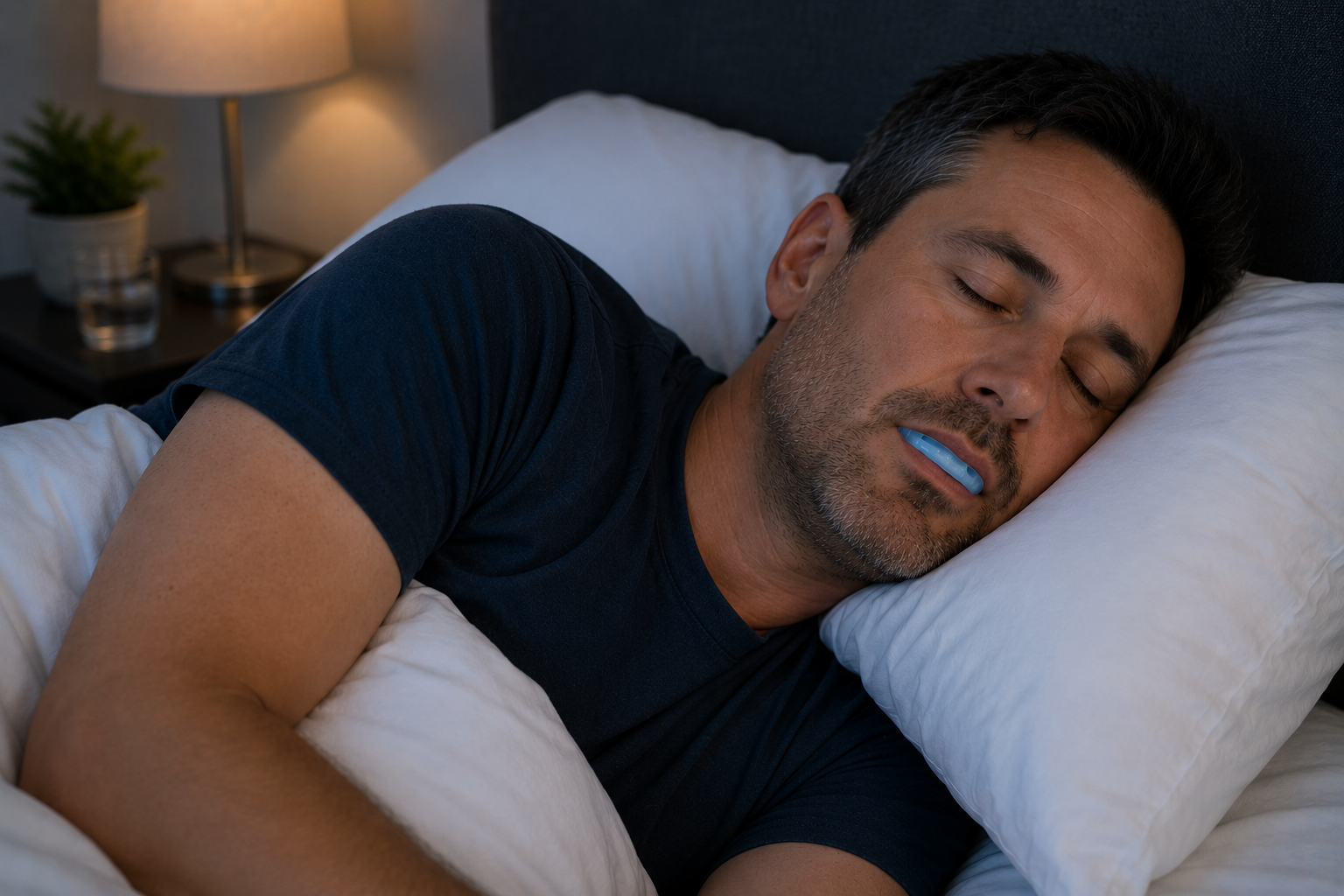
Custom fit matters when the goal is protection.
A well-made splint is built from impressions and bite information so it supports comfort as well as tooth protection.
What an occlusal splint does
It helps separate the teeth at night so less force is transferred into enamel and jaw muscles.
An occlusal splint, also called a bite splint, bite plane, or night guard, is a removable appliance worn during sleep. It is designed to reduce grinding pressure between the upper and lower teeth and can provide relief for the jaw muscles while helping protect the teeth from ongoing wear and breakage.
- Bruxism often happens during sleep and can be associated with stress, anxiety, and muscle tension.
- Without treatment, grinding can expose dentine, increase the risk of decay, and contribute to cracks, fractures, and gum recession in some people.
- Some patients may need additional management beyond a splint, including neuromuscular treatment or other TMJ-related care.
Common questions
Night guard and splint questions, answered clearly.
These are the practical questions patients usually ask when grinding, clenching, or jaw strain is suspected.
Related services
Related care patients often explore alongside this service.
Depending on your goals and clinical needs, these are other treatments patients commonly consider with us.
TMJ Disorder Treatment
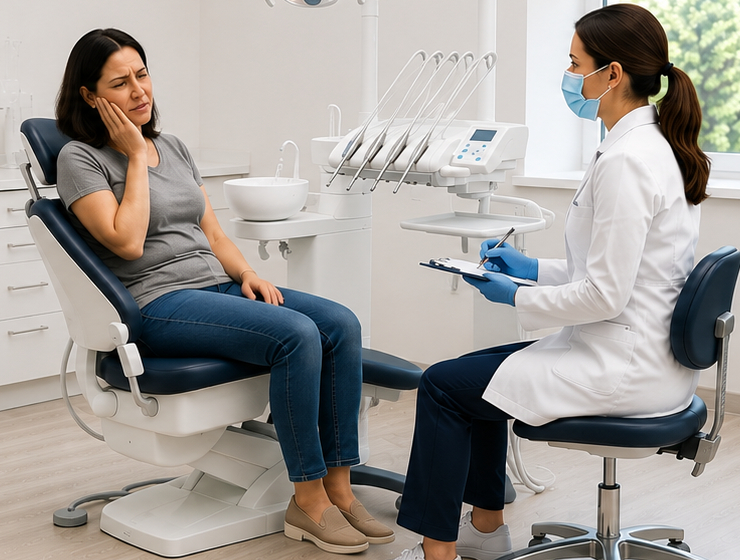
Treatment for jaw pain, headaches, and temporomandibular joint disorders affecting jaw function.

Orthodontics
Crooked teeth are a common dental problem. Orthodontics is the diagnosis, prevention and treatment of mis-aligned teeth and facial irregularities (malocclusion) and is frequently performed to improve a person’s appearance by straightening the teeth. Orthodontics is a highly specialised branch of Cosmetic Dentistry treatment. Over time Orthodontic treatment will reposition your upper and lower jaw allocation and amend bone growth within the mouth. Orthodontic treatment involves the design and use of corrective appliances such as braces, plates and aligners., whilst improving your oral health.
Mouth Guards
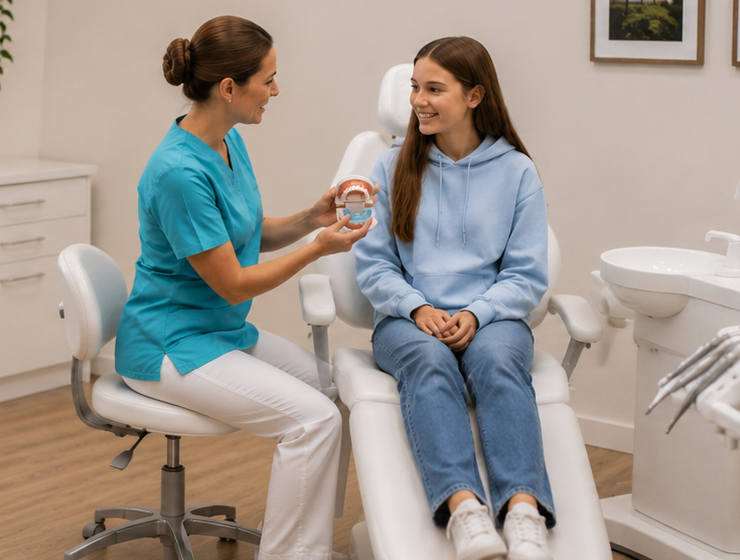
Custom-made sports mouthguards designed to protect your teeth, stabilise the jaw, and enhance performance during high-contact and fast-paced activities.
Dentalini
Protect your teeth early if grinding, clenching, or jaw tension is starting to leave a mark.
Book online or contact the clinic to discuss a custom night guard, splint fitting, and bite-related symptom assessment.