
Teeth straightening care
Orthodontics
Orthodontic treatment helps correct crooked teeth and bite issues using braces and other appliances, with treatment plans available for both children and adults.
- Crooked teeth and bite assessment
- Braces and corrective appliances
- Adult and child treatment planning
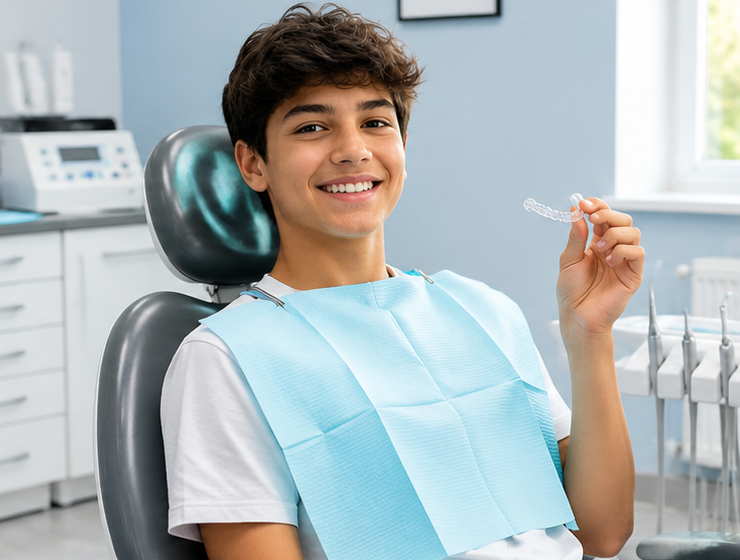
Why patients seek orthodontics
Straighter teeth can support both appearance and oral health.
Improve tooth alignment
Orthodontics is used to diagnose, prevent, and treat crooked or misaligned teeth.
Address malocclusion
Treatment can help with bite irregularities and facial alignment concerns linked to malocclusion.
Support smile confidence
Many patients pursue orthodontics to improve appearance by straightening their teeth.
Guide developing mouths
Early care can help children manage alignment concerns as permanent teeth erupt.
Maintain long-term stability
Retainers are used after braces to help hold teeth in their new position.
What treatment involves
Orthodontic care is planned over time, not in a single visit.
Orthodontic care is a staged treatment that may involve braces, plates, or aligners, followed by retainer wear and review appointments once active treatment is complete.
- 1
Step 1
Assess alignment and bite
We begin by looking at crooked teeth, bite irregularities, and whether treatment is needed now or should be timed around growth and eruption.
- 2
Step 2
Plan the right appliance
Treatment may use braces, plates, aligners, or other corrective appliances depending on the problem being treated.
- 3
Step 3
Move teeth gradually
Braces work over time to shift teeth into better alignment and are reviewed regularly during treatment.
- 4
Step 4
Complete active treatment
Treatment commonly takes around 18 to 24 months, although this varies with the severity of the problem and the goals of care.
- 5
Step 5
Fit retainers and monitor stability
After braces are removed, a retainer is fitted to stabilise the new tooth positions and follow-up visits continue to monitor progress.
What your appointment covers
Clear steps, without guesswork.
- Assess alignment and bite
- Plan the right appliance
- Move teeth gradually
- Complete active treatment
- Fit retainers and monitor stability
Every stage is planned around your comfort, clinical needs, and the next step that makes sense for your care.
Unsure if straightening is needed?
Arrange a consultation to understand your alignment and bite options.
Orthodontic planning can help clarify whether treatment is appropriate for a child, teenager, or adult and what the likely pathway would involve.
When to ask about orthodontics
These concerns commonly lead patients to seek an orthodontic opinion.
Some people are mainly concerned about appearance, while others want help with crowding, bite problems, or early guidance for growing children.
Crooked or crowded teeth
Visible crowding or irregular tooth positions are some of the most common reasons patients ask about orthodontic care.
Bite problems or malocclusion
If your upper and lower teeth do not meet well, orthodontic treatment may be worth discussing.
A child is losing baby teeth early
Space maintenance or interceptive orthodontics may help protect room for permanent teeth.
You want straighter teeth as an adult
Adults can often be suitable for orthodontic treatment as long as the gums and bone are healthy.
You have been told braces may be needed
Braces remain the most common orthodontic treatment for shifting teeth into correct alignment.
You have finished braces and need retention
Retainers are an essential part of keeping teeth stable after active treatment ends.

Orthodontic result
Straightening is a process, not a quick fix.
Orthodontic care takes time, and retainers are an important part of keeping teeth stable after treatment.
What to know before treatment
Orthodontics can be effective at many ages, but timing still matters.
Teeth can often be moved successfully in both children and adults when the gums and bone are healthy, and some more severe adult bite problems may need orthodontic care combined with jaw surgery planning.
- Treatment commonly takes around 18 to 24 months, depending on the original malocclusion and desired outcome.
- Children may benefit from early intervention to help manage space and guide development as permanent teeth erupt.
- After braces, retainers help stabilise the new tooth positions and are followed by review visits.
Common questions
Orthodontic questions, answered clearly.
These answers cover the practical information patients commonly want to know before and after treatment.
Related services
Related care patients often explore alongside this service.
Depending on your goals and clinical needs, these are other treatments patients commonly consider with us.
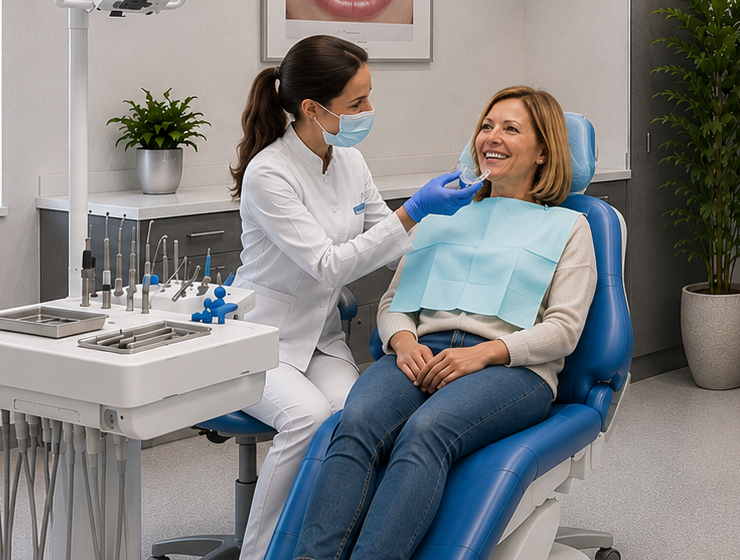
Night Guards & Splints
Do you suffer from aching teeth and jaws in your waking hours? This could be due unconscious teeth grinding during your sleep…
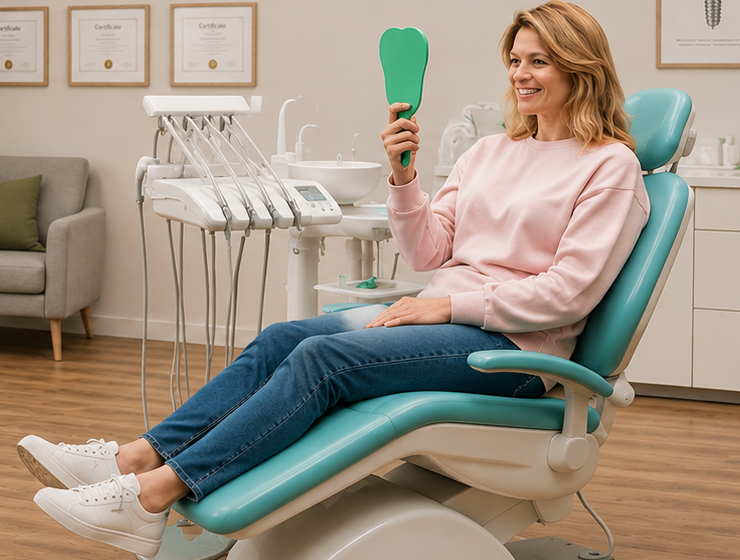
Cosmetic Dentistry
Don't hide the real you any longer! Get that bright, white, straight smile that you have been after… Today!
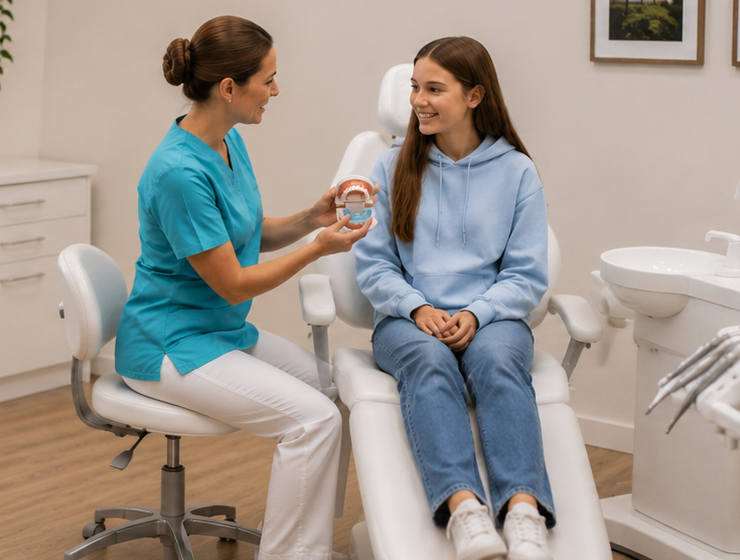
Mouth Guards
Custom-made sports mouthguards designed to protect your teeth, stabilise the jaw, and enhance performance during high-contact and fast-paced activities.
Dentalini
Get a clearer plan for straighter teeth, whether treatment is for a child or an adult.
Book online or contact the clinic to discuss orthodontic assessment, braces, and retention planning.