
Jaw pain and bite dysfunction care
TMJ Disorder Treatment
TMJ disorder treatment focuses on jaw pain, joint symptoms, headaches, and bite-related discomfort, with management tailored to the cause and the severity of your symptoms.
- Jaw joint and bite assessment
- Management for pain and dysfunction
- Referral when specialist care is needed
Why patients seek TMJ care
Jaw symptoms often affect more than just the joint itself.
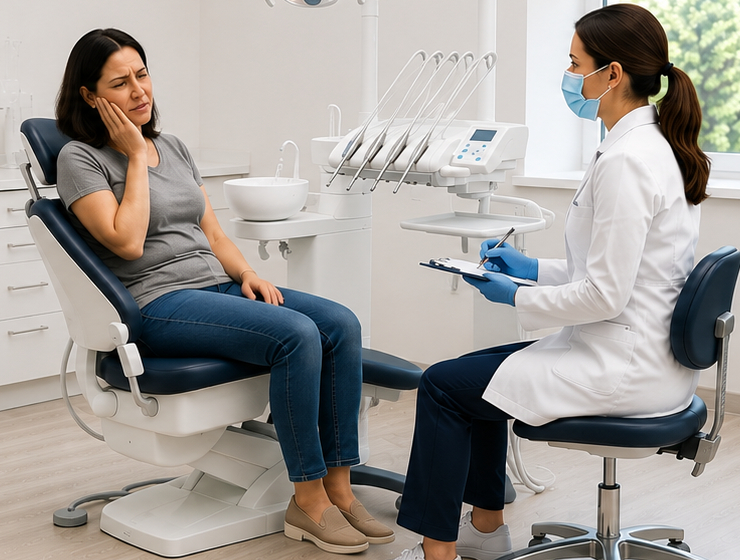
Address jaw pain and tenderness
TMJ care is commonly sought when the jaw joint or surrounding muscles feel sore, tight, or difficult to use comfortably.
Investigate bite-related discomfort
An uncomfortable or uneven bite can contribute to joint strain and premature tooth contact.
Reduce headache and facial tension
TMJ problems can be associated with headaches, facial pain, neck tension, and related discomfort.
Guide the right level of treatment
Some patients need only minor, relatively non-invasive care, while others may need more involved management or referral.
Support better jaw function
Management aims to make chewing, opening, and closing the mouth feel more stable and less restricted.
What treatment involves
TMJ management starts with finding the driver of the symptoms.
Because TMJ disorder can involve the joint, muscles, ligaments, nerves, teeth, and bite together, treatment begins with assessment and then follows the level of care your symptoms actually need.
- 1
Step 1
Review your symptoms carefully
We begin by discussing jaw pain, headaches, chewing discomfort, joint noises, locking, dizziness, bite changes, and any neck or facial tension.
- 2
Step 2
Assess the jaw joint and bite
The consultation looks at jaw movement, joint tenderness, bite contact, and whether misalignment or clenching may be contributing.
- 3
Step 3
Identify likely contributing factors
Stress, grinding, jaw clenching, malocclusion, and growth or breathing-related habits can all play a role in TMJ symptoms.
- 4
Step 4
Recommend the right management plan
Treatment may involve a series of steps, and often only minor, relatively non-invasive care is needed at first.
- 5
Step 5
Refer when symptoms are more complex
If the problem appears more significant, we may recommend specialist review, including oral surgery input for rare cases.
What your appointment covers
Clear steps, without guesswork.
- Review your symptoms carefully
- Assess the jaw joint and bite
- Identify likely contributing factors
- Recommend the right management plan
- Refer when symptoms are more complex
Every stage is planned around your comfort, clinical needs, and the next step that makes sense for your care.
Jaw pain, headaches, or bite strain?
Book a consultation to work out whether TMJ dysfunction is part of the problem.
A proper assessment helps separate harmless clicking from joint symptoms that need treatment or monitoring.
Symptoms to watch for
These are common jaw and bite symptoms worth getting checked.
TMJ symptoms can overlap with headaches, ear discomfort, and muscle tension, which is why a bite and joint review can be useful when the pattern keeps recurring.
Pain or tenderness in the jaw
Jaw soreness, tenderness, or aching near the joint is one of the most common reasons to book a TMJ consultation.
Difficulty chewing or pain while chewing
Discomfort during chewing can point to strain in the joint, muscles, or bite.
Headaches, migraines, or facial pain
TMJ symptoms can be associated with headache patterns, aching facial pain, and tension through the head and neck.
An uncomfortable or uneven bite
If one or more teeth are meeting too early, the bite can feel uneven and put extra strain on the jaw.
Joint locking or limited opening
Locking or difficulty opening and closing the mouth is a stronger sign that the joint should be assessed.
Ear pain, clicking, or dizziness
TMJ problems may also involve aching near the ear, clicking or grating, tinnitus-related complaints, or dizziness.

TMJ management
Management depends on the cause, not just the symptom.
Jaw pain treatment works best when bite, muscle tension, and joint function are assessed together.
What can contribute to TMJ disorder
Jaw symptoms can start with the bite, the muscles, stress, or long-standing habits.
TMJ disorder is an umbrella term for inflammation or dysfunction involving the temporomandibular joint and related structures. Contributing factors can include malocclusion, clenching, grinding, stress, and growth or breathing-related habits that influence facial development and jaw position.
- Jaw clicking without pain or limited movement does not automatically mean you have a TMJ disorder.
- Stress and tooth grinding can contribute to clenched jaws, tight shoulders, ligament strain, and disc-related popping sounds.
- Treatment may range from minor, non-invasive care to facial orthopaedic, orthodontic, or specialist management depending on the cause.
Common questions
TMJ questions, answered clearly.
Patients often want to know whether their symptoms fit TMJ dysfunction, what causes it, and how involved treatment usually is.
Related services
Related care patients often explore alongside this service.
Depending on your goals and clinical needs, these are other treatments patients commonly consider with us.
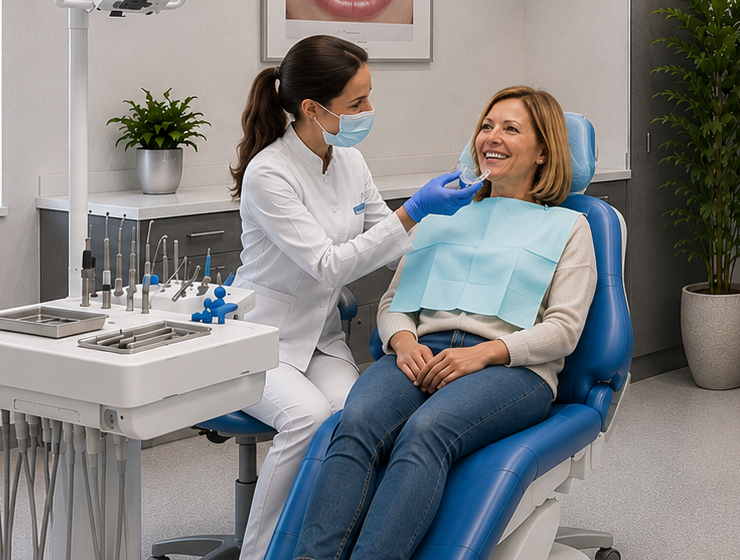
Night Guards & Splints
Do you suffer from aching teeth and jaws in your waking hours? This could be due unconscious teeth grinding during your sleep…

Orthodontics
Crooked teeth are a common dental problem. Orthodontics is the diagnosis, prevention and treatment of mis-aligned teeth and facial irregularities (malocclusion) and is frequently performed to improve a person’s appearance by straightening the teeth. Orthodontics is a highly specialised branch of Cosmetic Dentistry treatment. Over time Orthodontic treatment will reposition your upper and lower jaw allocation and amend bone growth within the mouth. Orthodontic treatment involves the design and use of corrective appliances such as braces, plates and aligners., whilst improving your oral health.

Mouth Guards
Custom-made sports mouthguards designed to protect your teeth, stabilise the jaw, and enhance performance during high-contact and fast-paced activities.
Dentalini
Get persistent jaw pain, bite strain, and joint symptoms assessed before they keep disrupting daily life.
Book online or contact the clinic to arrange a TMJ consultation and management plan tailored to your symptoms.