
Restorative smile repair
Crown & Bridge
Crowns and bridges help restore cracked, heavily damaged, or missing teeth with treatment designed to strengthen function, protect remaining tooth structure, and rebuild your smile.
- Crowns for cracked or heavily restored teeth
- Bridges for missing-tooth replacement
- Smile and bite restoration planning
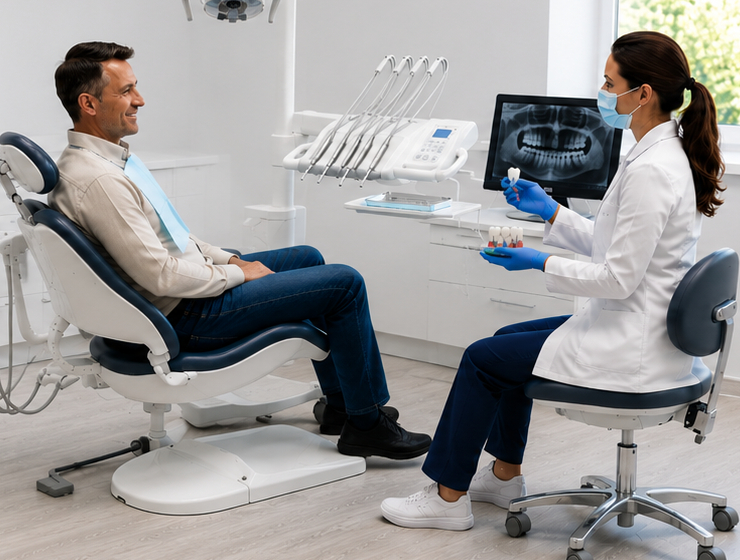
Why patients choose crowns and bridges
This treatment is about strength, stability, and restoring damaged or missing teeth thoughtfully.
Protect damaged teeth
Crowns are used when a tooth is cracked, broken, root canal treated, or too heavily filled for a regular restoration.
Restore missing teeth
A bridge can replace a missing tooth by joining a replacement tooth to crowns on the neighbouring teeth.
Support chewing and speech
Crowns and bridges are designed to support everyday function so eating and speaking feel more comfortable again.
Help prevent shifting
Replacing a space and stabilising weakened teeth can help reduce movement in the bite over time.
Improve smile confidence
These restorations are also used to rebuild appearance where teeth are badly damaged or missing.
What treatment involves
The plan depends on whether the goal is to protect a tooth or replace one.
Your dentist will assess how much healthy tooth structure remains, whether a crown is needed, and whether a bridge is an appropriate option for a missing tooth.
- 1
Step 1
Assess the tooth or gap
We begin by checking whether the problem is a cracked or heavily damaged tooth, a missing tooth, or a combination of both.
- 2
Step 2
Decide between a crown, bridge, or both
A crown covers and protects a weakened tooth, while a bridge uses crowns on adjacent teeth to support a replacement tooth.
- 3
Step 3
Prepare the teeth and take records
The tooth or supporting teeth are prepared and impressions are taken so the final restoration can be made precisely.
- 4
Step 4
Fit the final restoration
Crowns usually take two to three appointments, and the completed restoration is checked for fit, stability, and bite.
- 5
Step 5
Restore function and appearance
Once cemented, the crown or bridge is designed to strengthen the bite, support chewing, and improve the look of the smile.
What your appointment covers
Clear steps, without guesswork.
- Assess the tooth or gap
- Decide between a crown, bridge, or both
- Prepare the teeth and take records
- Fit the final restoration
- Restore function and appearance
Every stage is planned around your comfort, clinical needs, and the next step that makes sense for your care.
Not sure what your tooth needs?
Book a consultation to find out whether a crown, bridge, or another restoration is the right fit.
We can assess the tooth structure, explain your options clearly, and map out the next step for strength and appearance.
When to ask about treatment
These are common situations where crowns or bridges may be recommended.
A consultation helps confirm which option suits the tooth and the bite, especially when a filling alone may no longer be enough.
A tooth is cracked or broken
Cracks and structural damage often need more coverage and support than a standard filling can provide.
A tooth has a very large filling
Heavily restored teeth can become weaker over time and may need a crown for protection.
A tooth has had root canal treatment
Root canal treated teeth are commonly restored with crowns to protect and support the tooth afterward.
A tooth is missing
Bridges are one option for replacing a gap and supporting both function and appearance.
Chewing or speaking feels affected
Damage or missing teeth can interfere with day-to-day function and comfort.
You want the smile rebuilt thoughtfully
Crown and bridge care can be planned with attention to the design, shape, and overall appearance of your smile.
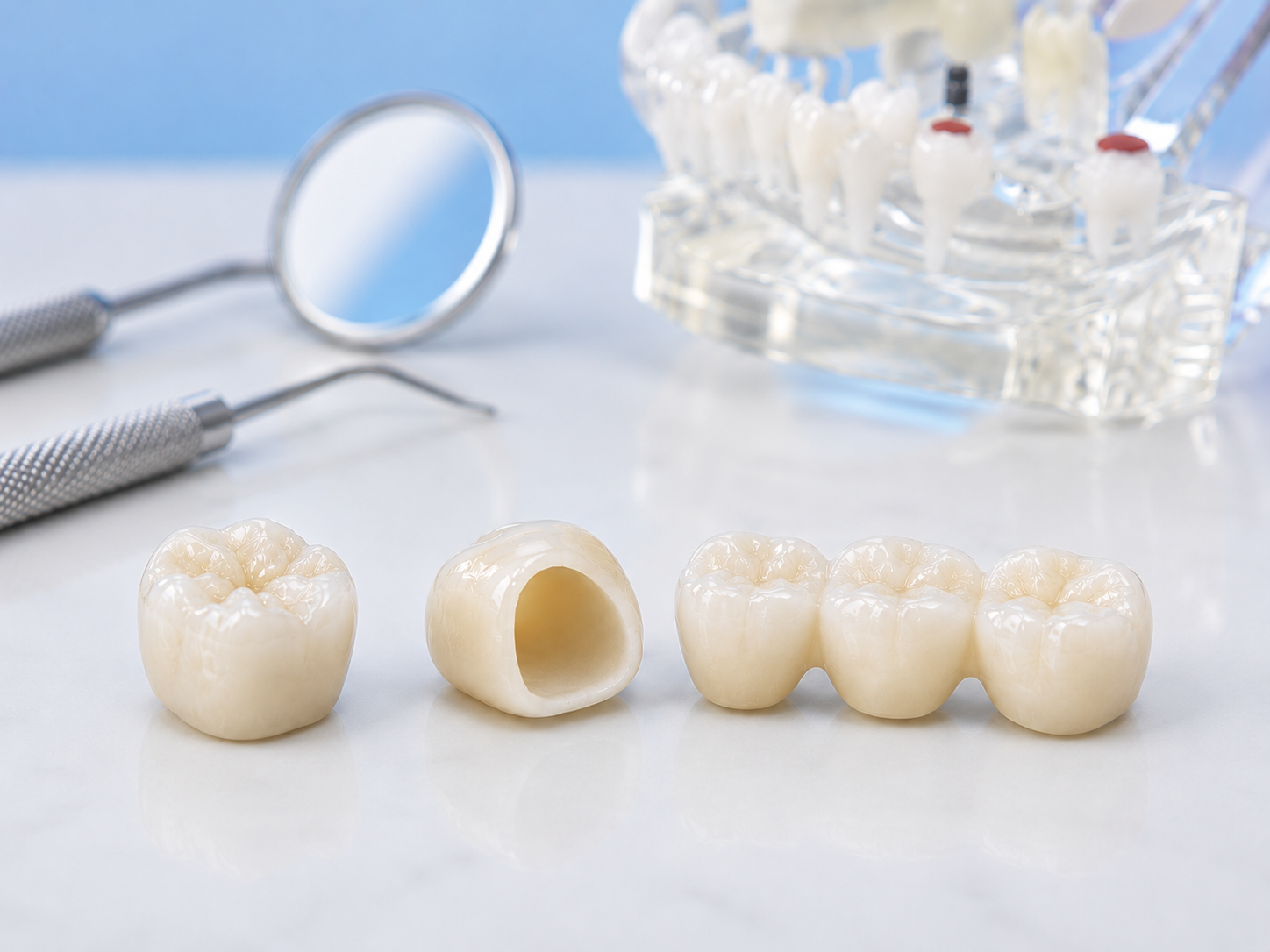
Crown and bridge result
Built for durability and a balanced smile.
Crown and bridge work is carefully crafted to restore appearance while supporting the bite.
Crowns and bridges explained
A crown protects a tooth you still have. A bridge replaces one that is gone.
Crowns are strong caps made from materials such as zirconia, porcelain, or gold alloys. They fit over the remaining tooth structure to improve function and stability. Bridges use crowns on adjacent teeth to support a replacement tooth across the space.
- Crowns are commonly used when there is not enough tooth structure left for a filling, inlay, or onlay.
- Bridges are a stable alternative to dentures for some patients and can replace one or multiple missing teeth.
- Both treatments can be used together when the goal is to restore strength, function, and smile appearance.
Common questions
Crown and bridge questions, answered clearly.
These are the practical questions patients usually ask when they have a damaged tooth or a missing space to restore.
Related services
Related care patients often explore alongside this service.
Depending on your goals and clinical needs, these are other treatments patients commonly consider with us.
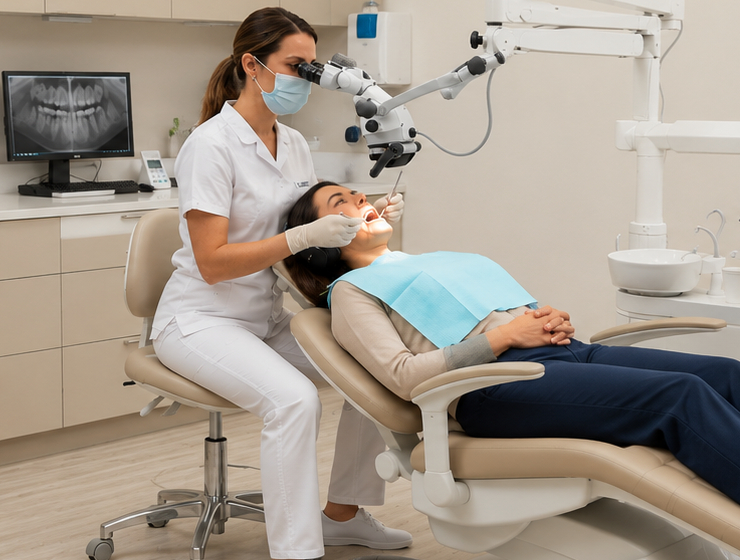
Root Canal Treatment
We like to see your teeth in optimum health at all times, however in the case of infection we can treat the tooth to restore function.

Dental Inlays and Onlays
Dental inlays and onlays are custom-made porcelain restorations used to repair large cavities and strengthen damaged teeth while restoring natural shape and function.
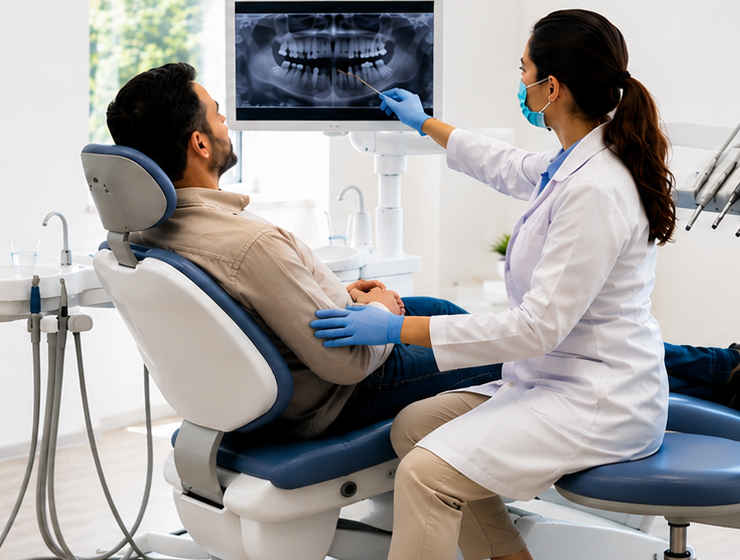
Dental Implants
Missing teeth? Let's fix that! Dental implants are a permanent solution that look and feel like natural teeth! Whether you've lost a tooth/teeth due to injury, decay, or age, implants can restore your smile and confidence!
Dentalini
Restore damaged or missing teeth with a plan that supports both function and appearance.
Book online or contact the clinic to discuss crowns, bridges, and the right restorative path for your smile.