
Tooth removal when saving it is no longer realistic
Tooth Extractions
Tooth extraction is recommended when a tooth is too damaged, decayed, loose, infected, or difficult to keep safely, and the focus shifts from saving the tooth to protecting your wider oral health.
- Simple and surgical extraction planning
- Tooth-saving options considered first
- Replacement options discussed afterward

Why extractions are sometimes needed
The point of an extraction is to remove a tooth that is causing more harm than benefit by staying.
Remove teeth that cannot be saved
The source page is clear that extraction is used when a tooth is beyond repair because of severe decay, damage, looseness, or disease.
Protect surrounding oral health
Removing a problem tooth may be the safest way to prevent ongoing infection, pain, or complications for nearby teeth and gums.
Use the least invasive appropriate approach
Some teeth can be removed with a simple extraction under local anaesthetic, while others need a more surgical approach.
Plan for complex cases safely
Deeply positioned or difficult teeth may need surgical extraction, and some cases are referred to an oral surgeon.
Discuss what replaces the tooth afterward
If removal leaves a gap, the service page notes that implants, bridges, or removable dentures may be discussed afterward.
How extraction planning works
The first question is whether the tooth truly has to come out.
The source page stresses that the clinic tries to save teeth with fillings, root canal treatment, crowns, or other restorative care where possible. Extraction is recommended when those options are no longer realistic or safe.
- 1
Step 1
Assess whether the tooth can still be saved
We first look at whether the tooth might still be managed with a filling, root canal treatment, crown, or another restorative option.
- 2
Step 2
Confirm the reason for removal
The reason may be severe decay, a badly broken tooth, advanced gum and bone disease, orthodontic space planning, or another clinical need.
- 3
Step 3
Decide between simple and surgical extraction
Simple extractions are usually done under local anaesthetic, while difficult or deeply positioned teeth may require a surgical approach.
- 4
Step 4
Remove the tooth with the appropriate technique
If the case is surgical, the procedure may involve a small incision, possible bone removal, and stitches afterward.
- 5
Step 5
Discuss healing and replacement options
If the removed tooth leaves a noticeable gap, implants, bridges, or removable dentures may be considered afterward.
What your appointment covers
Clear steps, without guesswork.
- Assess whether the tooth can still be saved
- Confirm the reason for removal
- Decide between simple and surgical extraction
- Remove the tooth with the appropriate technique
- Discuss healing and replacement options
Every stage is planned around your comfort, clinical needs, and the next step that makes sense for your care.
Not sure whether the tooth can be saved?
Book an assessment before assuming extraction is the only path.
The clinic's approach is to try to save the tooth first where possible, and recommend extraction when it is the safest and most realistic option.
Common reasons extraction is discussed
These are the situations the source page specifically lists.
Tooth extraction has a broad range of uses, from badly damaged teeth through to orthodontic space planning and wisdom tooth-related issues.
A tooth is severely decayed
Teeth with advanced decay that cannot be repaired predictably are one of the most common reasons for extraction.
A tooth is badly broken
Grossly broken teeth may not have enough remaining structure to restore safely.
A tooth is very loose from gum disease
Advanced periodontal disease can leave teeth too loose to function well or be kept long term.
Space is needed for orthodontic treatment
The source page includes extractions used to create space or assist eruption and alignment during braces treatment.
A wisdom tooth is impacted or causing problems
Impacted wisdom teeth and wisdom teeth with not enough space are specifically listed as extraction reasons.
The tooth is contributing to infection risk
The page also notes situations involving immune compromise, radiation treatment, or organ transplantation where removal may be advised.
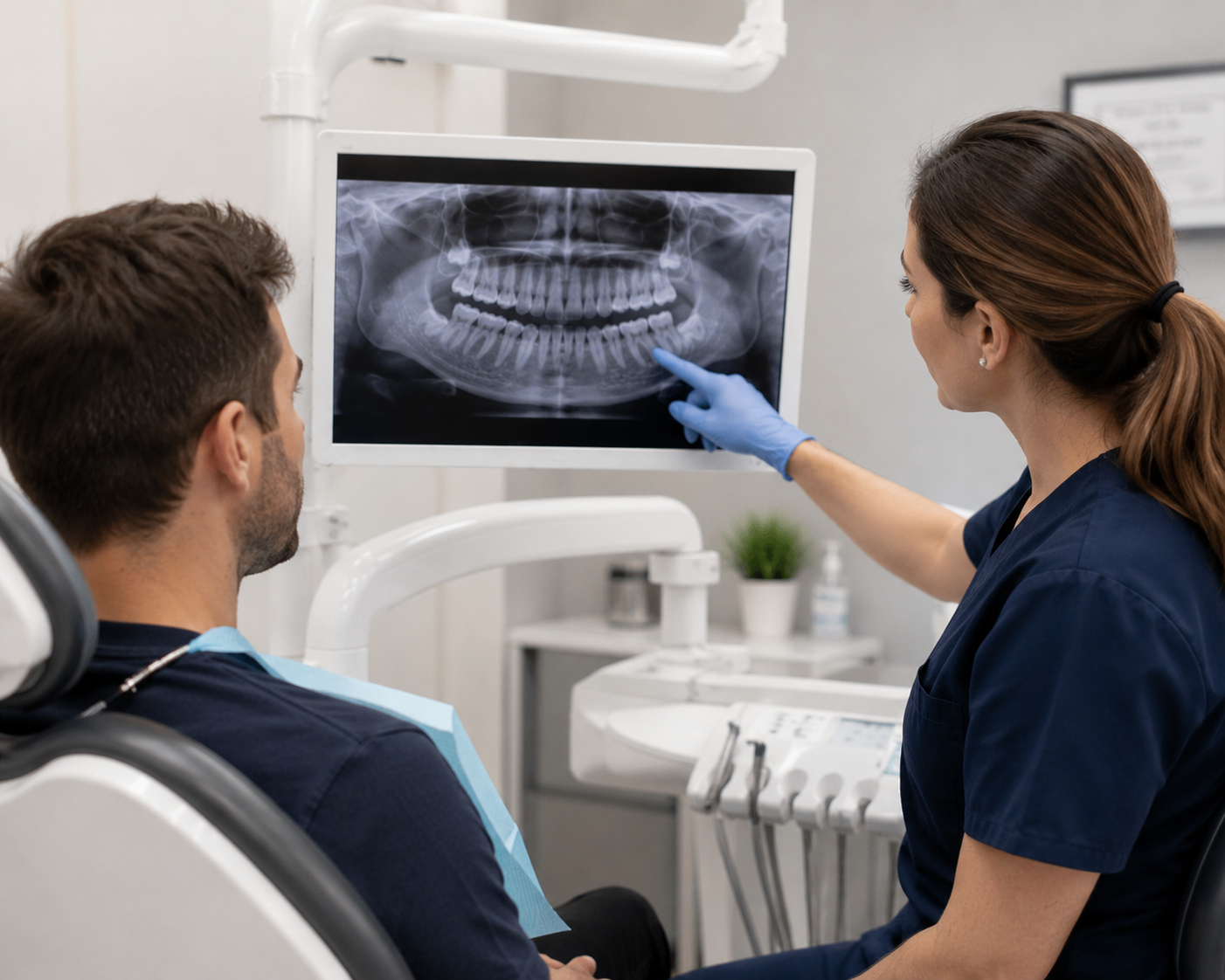
Extraction planning
The decision matters as much as the procedure.
Good extraction care starts with deciding whether removal is truly necessary and what should happen after the tooth is gone.
Simple versus surgical extraction
Not every extraction is the same level of procedure.
Simple extractions are performed under local anaesthetic using dental instruments to remove the tooth from the socket. Surgical extractions are used when the tooth is deep, impacted, or otherwise difficult to remove, and may involve an incision, limited bone removal, and stitches.
- The clinic's stated approach is to try to save the tooth with restorative treatment where possible before recommending extraction.
- Surgical extraction may be recommended for difficult or deeply positioned teeth, and some complex wisdom tooth cases may be referred to an oral surgeon.
- If the extraction leaves a gap, implants, bridges, or removable dentures may be discussed afterward.
Common questions
Tooth extraction questions, answered clearly.
These are the questions patients usually ask when they are told a tooth may need to come out.
Related services
Related care patients often explore alongside this service.
Depending on your goals and clinical needs, these are other treatments patients commonly consider with us.
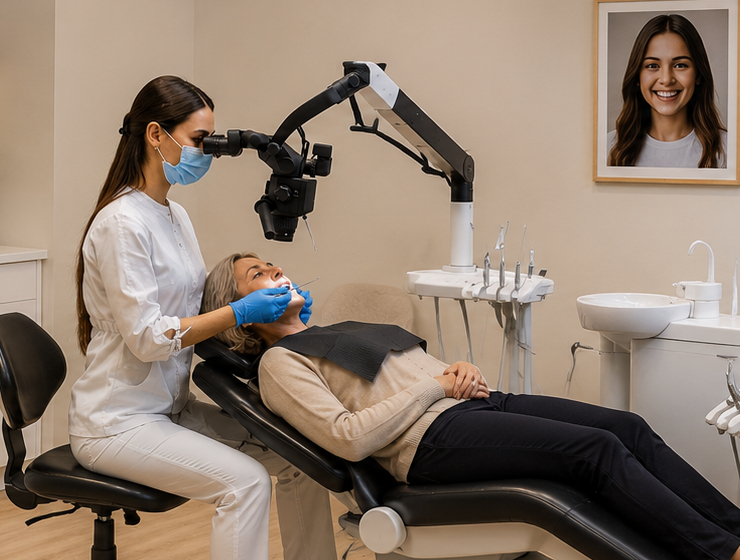
Emergency Dental Care
If you have pain, it's an emergency!
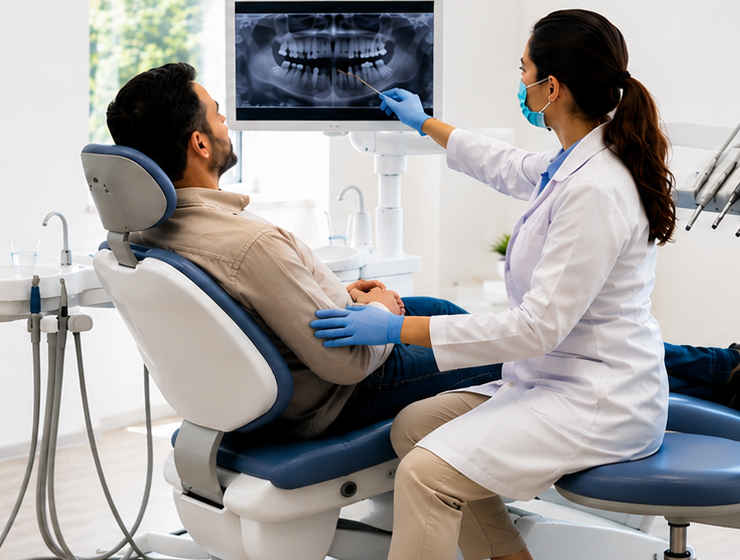
Dental Implants
Missing teeth? Let's fix that! Dental implants are a permanent solution that look and feel like natural teeth! Whether you've lost a tooth/teeth due to injury, decay, or age, implants can restore your smile and confidence!
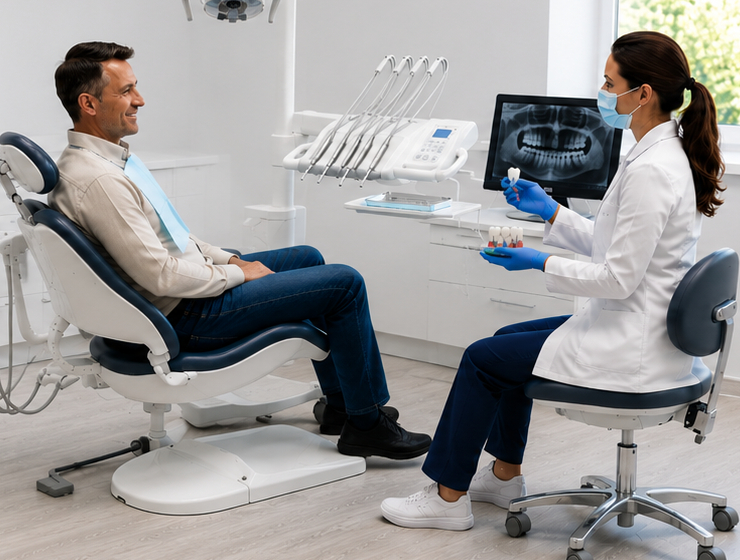
Crown & Bridge
Do you have cracked, damaged or missing teeth? Crowns and bridges can help you.
Dentalini
Get a damaged or difficult tooth assessed properly before the problem drags on any longer.
Book online or contact the clinic to discuss whether the tooth can be saved, and what extraction or replacement options may apply if not.