
Urgent dental assessment
Emergency Dental Care
Emergency dental care is for situations such as sudden pain, swelling, chipped or knocked teeth, and dental abscesses where the right next step should be assessed promptly.
- Urgent pain and swelling checks
- Care for trauma and abscesses
- Same-day help when available
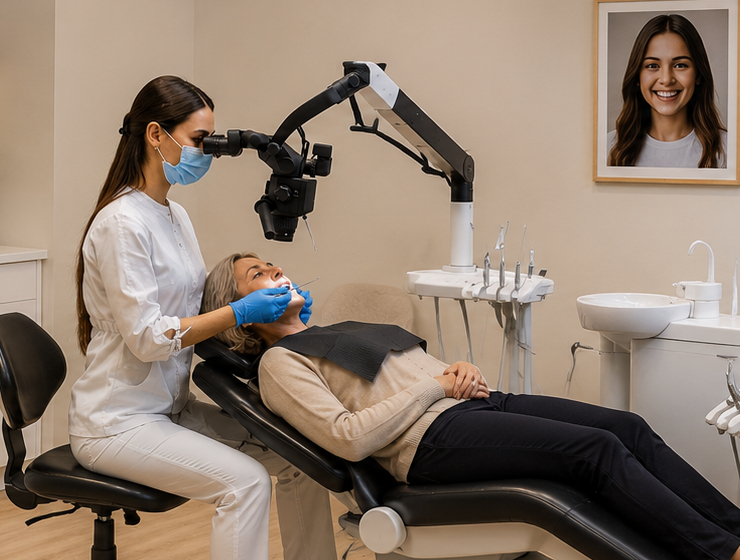
Why patients seek emergency care
The aim is to assess the problem quickly and decide what needs to happen next.
Get severe pain assessed promptly
Sudden or escalating dental pain is one of the clearest reasons to arrange urgent review.
Manage swelling or abscess concerns
An abscess or visible swelling can point to infection and should not be left to drift.
Check chipped or knocked teeth
Dental trauma may need timely assessment to improve the chance of protecting the tooth or planning the right repair.
Understand the immediate next step
Emergency care may lead to pain management, temporary stabilisation, extraction, root canal planning, or another urgent treatment path.
Avoid waiting through worsening symptoms
If you are in pain, it is worth asking for help rather than hoping the problem settles on its own.
What urgent care usually involves
Emergency dentistry starts with identifying the cause, not just reacting to the symptom.
Because emergencies vary, the first priority is understanding whether the issue is pain, infection, trauma, swelling, or a tooth that has been damaged or displaced.
- 1
Step 1
Explain what happened and what you are feeling
We begin by understanding the symptoms, when they started, and whether there has been trauma, swelling, or a change in the tooth.
- 2
Step 2
Assess the affected area promptly
The painful or damaged tooth, surrounding gum, and any swelling or injury are checked to work out what type of emergency it is.
- 3
Step 3
Prioritise pain and infection control
If the problem involves severe pain or an abscess, the immediate focus is getting the situation assessed and stabilised appropriately.
- 4
Step 4
Recommend the right urgent treatment path
Depending on the cause, the next step may involve temporary care, root canal treatment, extraction, or restorative follow-up.
- 5
Step 5
Arrange ongoing care if needed
Many emergencies need a second step after the urgent visit so the tooth can be repaired, restored, or replaced properly.
What your appointment covers
Clear steps, without guesswork.
- Explain what happened and what you are feeling
- Assess the affected area promptly
- Prioritise pain and infection control
- Recommend the right urgent treatment path
- Arrange ongoing care if needed
Every stage is planned around your comfort, clinical needs, and the next step that makes sense for your care.
Pain, swelling, or trauma?
Reach out promptly if something has changed suddenly and you need urgent dental advice.
The clinic aims to fit emergency patients in as quickly as possible when capacity allows, especially for pain, abscesses, and dental trauma.
What usually counts as urgent
These are the situations that usually need prompt attention.
If the problem involves sudden pain, swelling, or tooth damage, it is generally worth seeking advice rather than waiting for the next routine appointment.
Strong toothache or persistent pain
Strong or persistent pain is one of the clearest signs that urgent assessment may be needed.
A chipped or broken tooth
A fractured tooth may need prompt review to reduce pain, protect the remaining structure, and plan repair.
A knocked tooth
Dental trauma involving a displaced or knocked tooth is one of the situations specifically named as an emergency.
An abscess or pus-filled swelling
Visible swelling or a boil on the gum can point to infection that should be checked quickly.
Rapidly worsening symptoms
When something changes quickly, emergency care is about understanding the cause before the problem progresses further.
You are unsure whether it can wait
If you are not sure whether the issue is urgent, that uncertainty itself is often a reason to ask for advice promptly.

Urgent assessment
The first goal is clarity under pressure.
Emergency care should quickly identify the cause of the pain or trauma so the next step is clear.
What to know about urgent dental care
Emergency care is intentionally practical and direct.
Emergency dental care is about dealing with pain, swelling, trauma, or infection without unnecessary delay. The key point is simple: when something changes suddenly, an early check helps clarify the cause and the most appropriate next step.
- Chipped teeth, knocked teeth, pain, and abscesses are common reasons to seek urgent dental care.
- The clinic aims to fit emergency patients in on the same day when possible.
- An emergency visit often leads into follow-up care such as extraction, root canal treatment, or restorative repair depending on the cause.
Common questions
Emergency dental care questions, answered clearly.
These are the practical questions patients usually ask when something changes suddenly and they are not sure how quickly they need help.
Related services
Related care patients often explore alongside this service.
Depending on your goals and clinical needs, these are other treatments patients commonly consider with us.

Tooth Extractions
Sometimes if a tooth is beyond repair due to advanced decay, damage, or gum disease, extraction may be recommended to protect your oral health and prevent further complications.
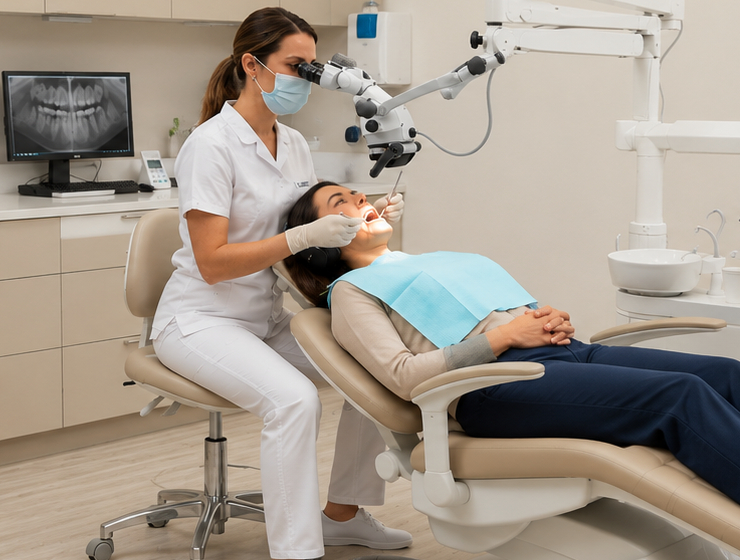
Root Canal Treatment
We like to see your teeth in optimum health at all times, however in the case of infection we can treat the tooth to restore function.
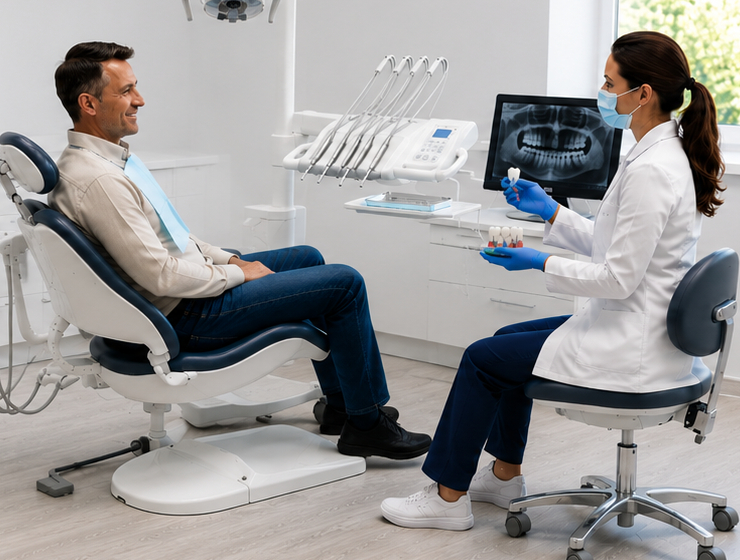
Crown & Bridge
Do you have cracked, damaged or missing teeth? Crowns and bridges can help you.
Dentalini
Get the right next step for new pain, swelling, or dental trauma.
Book online or contact the clinic so we can help you work out the right urgent next step.