Third molar assessment and removal
Wisdom Teeth Removal
Wisdom teeth removal is recommended when third molars do not have enough room to erupt properly, become impacted, or start creating pain, infection, decay risk, or pressure on nearby teeth.
- Wisdom tooth X-ray review
- Impaction and infection assessment
- Outpatient removal planning
Why wisdom teeth are removed
The goal is usually to prevent recurring problems before they become harder to manage.
Address impacted wisdom teeth
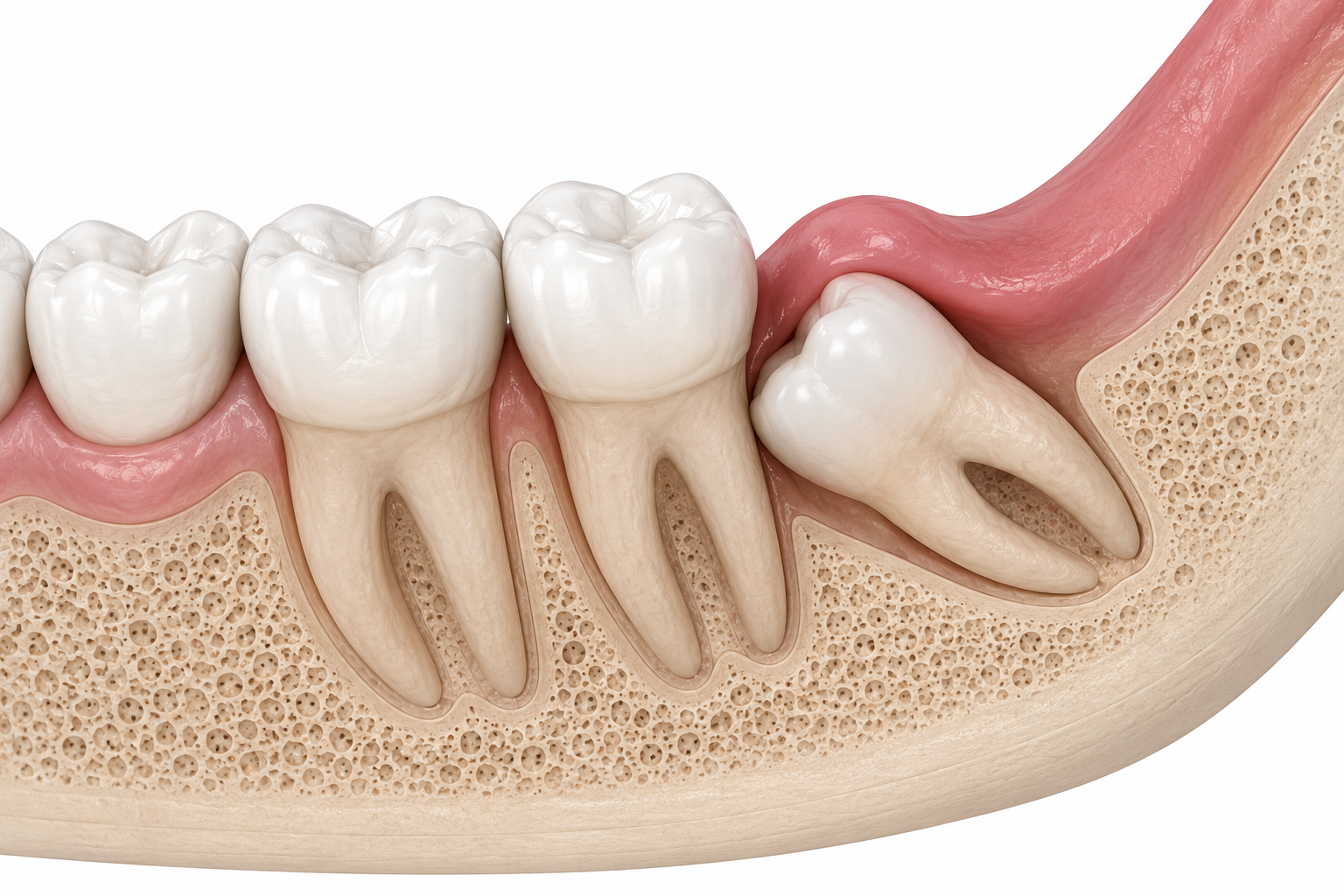
Impacted third molars can remain trapped in the gums or jawbone and may need removal when they cannot erupt properly.
Reduce pain and swelling risk
The source page links problematic wisdom teeth with pain, swelling, infection, and irritation around the back of the mouth.
Protect neighbouring teeth
When a wisdom tooth erupts at an angle or traps bacteria, it can increase the risk of decay or damage affecting the tooth beside it.
Improve access for cleaning
Wisdom teeth are difficult to reach and can trap bacteria, making them more vulnerable to decay and gum problems.
Plan removal before complications escalate
The service page specifically notes that removal is often recommended early to prevent more significant issues later.
How wisdom tooth removal is planned
The first step is understanding position, space, and whether the tooth is already causing trouble.
Wisdom teeth vary a lot. Some erupt normally, while others stay impacted or only partly erupt. X-rays and clinical review help determine whether monitoring or removal is the better path.
- 1
Step 1
Assess the teeth and take X-rays
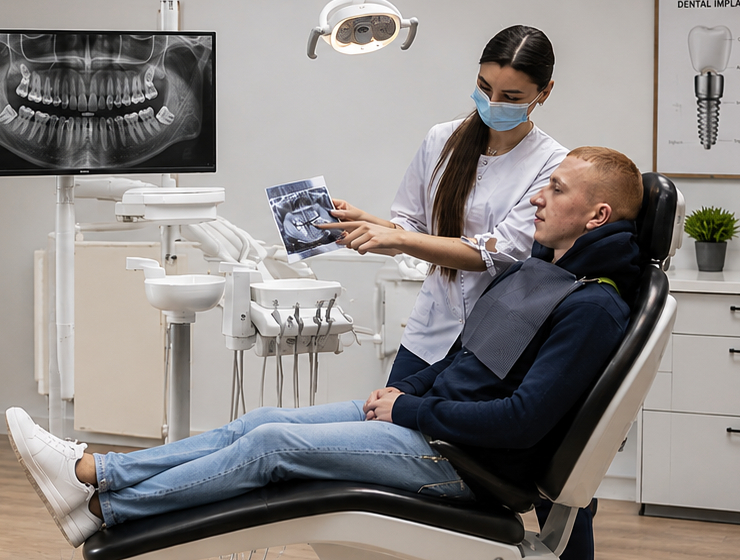
Routine dental X-rays help show whether the wisdom teeth have enough room, what angle they are growing at, and whether removal should be considered.
- 2
Step 2
Confirm whether the tooth is impacted or problematic
We look for pain, swelling, infection, crowding risk, and whether the tooth is trapped beneath the gum or jawbone.
- 3
Step 3
Plan the right removal approach
Some wisdom teeth are simpler to remove, while impacted teeth may need a more surgical approach to access them safely.
- 4
Step 4
Remove the tooth under appropriate anaesthesia
The service page notes that removal is performed as an outpatient procedure under appropriate anaesthesia in the clinic.
- 5
Step 5
Review healing and follow-up
After removal, stitches may dissolve or be removed later depending on the material used, and the area is monitored during recovery.
What your appointment covers
Clear steps, without guesswork.
- Assess the teeth and take X-rays
- Confirm whether the tooth is impacted or problematic
- Plan the right removal approach
- Remove the tooth under appropriate anaesthesia
- Review healing and follow-up
Every stage is planned around your comfort, clinical needs, and the next step that makes sense for your care.
Back tooth pain or swelling?
Book a consultation if wisdom teeth may be short on space or already causing trouble.
A review with X-rays can show whether the tooth is impacted, difficult to clean, or likely to create recurring problems.
Common reasons removal is discussed
When Wisdom Tooth Removal May Be Considered
Wisdom teeth are often removed not because every third molar is a problem, but because some lack space, trap bacteria, or repeatedly irritate the surrounding tissues.
The wisdom teeth do not have enough room
Lack of space is one of the most common reasons third molars erupt abnormally or stay impacted.
There is pain, swelling, or infection
The source content specifically lists pain, swelling, and infection among the complications removal aims to prevent.
A tooth is partially erupted and hard to clean
Partly erupted wisdom teeth can trap bacteria and make brushing and flossing painful or ineffective.
There is a risk to neighbouring teeth
Crowding, decay, or damage to adjacent teeth can all become part of the removal decision.
The tooth is impacted in bone or gum
Impacted wisdom teeth that remain trapped often need more deliberate planning for safe removal.
The back of the mouth keeps flaring up
Repeated irritation, gum soreness, or difficult-to-clean areas around wisdom teeth often push the decision toward extraction.
Wisdom tooth review
Position and space matter more than the tooth name.
Wisdom tooth planning is mostly about whether the tooth can erupt healthily and be maintained without repeatedly causing problems.
Impaction and removal basics
Some wisdom teeth are removed simply, while others need a surgical approach.
The source page explains that impacted wisdom teeth may require a small incision in the gum, possible removal of a small amount of surrounding bone, and sometimes sectioning the tooth into smaller parts for controlled removal.
- Wisdom teeth are the last molars to erupt and commonly become problematic in the late teens or early twenties.
- Because they are difficult to clean, they can increase the risk of tooth decay, gum disease, and infection.
- After removal, stitches may be placed and either dissolve naturally or be removed at a follow-up visit.
Common questions
Wisdom tooth questions, answered clearly.
These are the questions patients usually ask when they are told the wisdom teeth may not have enough room to behave well long term.
Related services
Related care patients often explore alongside this service.
Depending on your goals and clinical needs, these are other treatments patients commonly consider with us.
Tooth Extractions
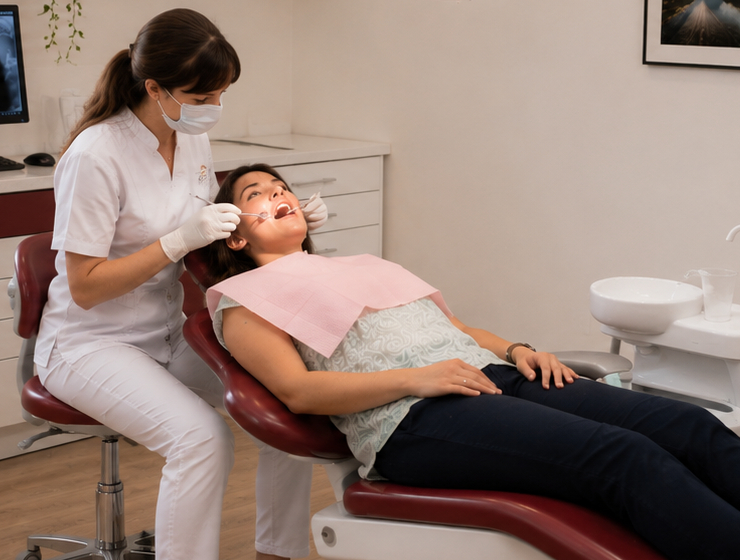
Sometimes if a tooth is beyond repair due to advanced decay, damage, or gum disease, extraction may be recommended to protect your oral health and prevent further complications.
Emergency Dental Care
If you have pain, it's an emergency!

Orthodontics
Crooked teeth are a common dental problem. Orthodontics is the diagnosis, prevention and treatment of mis-aligned teeth and facial irregularities (malocclusion) and is frequently performed to improve a person’s appearance by straightening the teeth. Orthodontics is a highly specialised branch of Cosmetic Dentistry treatment. Over time Orthodontic treatment will reposition your upper and lower jaw allocation and amend bone growth within the mouth. Orthodontic treatment involves the design and use of corrective appliances such as braces, plates and aligners., whilst improving your oral health.
Dentalini
Have wisdom teeth assessed before lack of space turns into a recurring pain or infection problem.
Book online or contact the clinic to review your wisdom teeth with imaging and plan removal if needed.